Since COVID, I’ve noticed a collective craving for the cozy. Whether it’s reading, gaming, or background YouTube reviews like my favorite creator Eeowna, we’re gravitating toward stories that feel like a hug—where the worst thing that happens is missing a fish or burning a loaf of bread.
Luckily, reading has joined the cozy genre with several titles I’ve either finished or added to my TBR. Over the summer, my partner brought me on his family’s 10-day, off-the-grid camping adventure where all we could do was talk, play card games, and read. One of his siblings completed a book that has been on my TBR for quite some time (The House on the Cerulean Sea by TJ Klune), and when I asked for their opinion, they said, “I understand why people are connecting to this. Never once did anything bad happen to someone.” And I find that to be an excellent descriptor to our, “cozy” genre fascination. From The House in the Cerulean Sea to The Very Secret Society of Irregular Witches, there’s something healing about reading a story where nothing bad happens—and where you’re reminded you don’t have to carry everything alone.
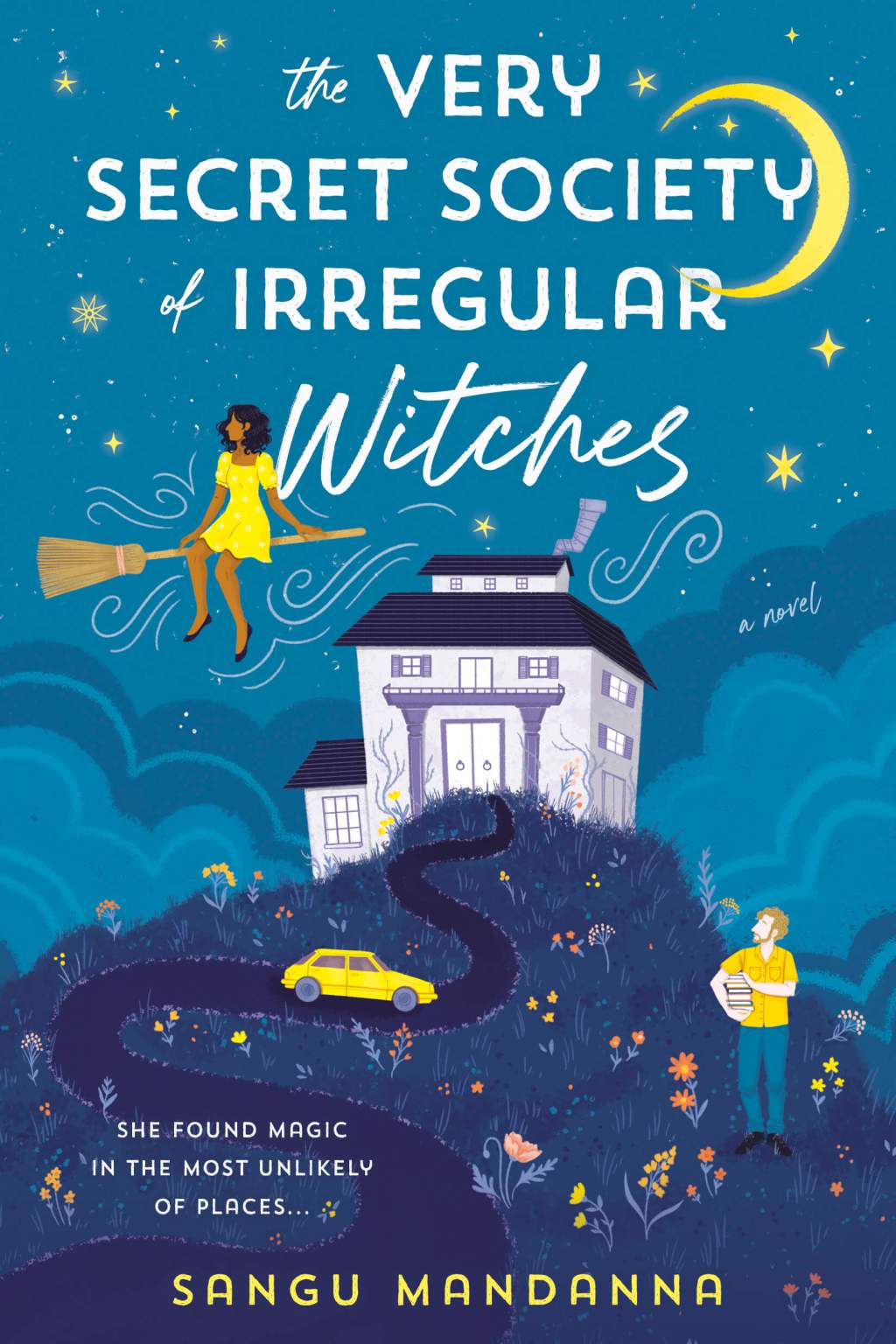
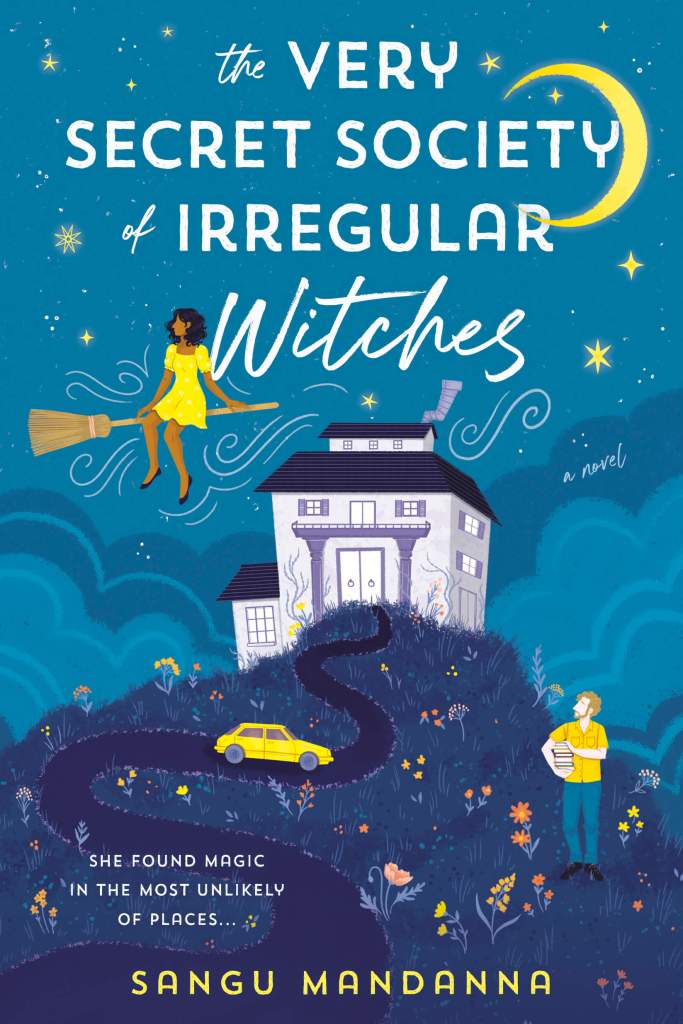
This brings me to this week’s read, The Very Secret Society of Irregular Witches by Sangu Mandanna. The story follows the main character, Mika, who begins by following the traditional rules of witches: don’t share that you have magic, and figure it out yourself. After being caught for using magic by an astute individual, Mika is hired to teach magic to three children in a house of silly characters– all of whom know they belong and have a role to play within the home, except for the newbie Mika.
The story itself has a pretty standard structure for plot and premise, (along with one unexpected spicy scene that surprised my entire bookclub for coming out of left field), where we, the readers, watch someone who has always felt alone discover what a found family can be. What I liked about this book specifically, however, is the means by which Mika understands how it feels to belong. Better yet, what it means to experience truly unconditional love.
I don’t know about other people, but my own journey to understanding unconditional love was filled with a lot of misinformation. There were many rules, caveats, and standards I had to abide by, and only if/when I fit the correct role, then I would be granted the unconditional love that was preached. A bit counterintuitive, yes? This is a similar pattern Mika needs to journey through in her own story.
Does anyone do anything actively harmful to the main character? No, not really. It is all rather passive– something I would describe as childhood emotional neglect. At a young age, Mika was taught that if she follows the magical rules of witchery, only then could she be accepted and loved. But, what about in-between proving herself to these people who insist they love her? Unfortunately (but beautifully done by Mandanna,) Mika learns to be self-sufficient, to be useful, and to believe that anyone could leave you at any given moment.
I would like to pause here and geek out ever so slightly about what I mean by a beautifully written character. Lindsay C. Gibson wrote a book I often recommend to clients with various backgrounds called Adult Children of Emotionally Immature Parents (2015). In this book, it touches base around what patterns a parent might have created within the home of a child, and what types of maladaptive coping the kid might grow up to use as a means to navigate the world. There are many more books that specifically address childhood emotional neglect, but Gibson (2015) is just as strong to make my point. When an adult was raised with inconsistent support of emotional regulation, those children grow up to not know how to share emotions that are perceived to be vulnerable. It can go so far as to any moment of vulnerability (ie. asking your partner to help move the couch instead of just dragging the couch across the room yourself). At no point in Mika’s story did I think, “okay Mandanna, calm down. Nobody would really act that way if they were flying solo.” Mika, always with a smile and a shrug, does her best not to inconvenience the other adults in the home– much to the shock and confusion of the cast of characters who know they are in their chosen family already.
And just to reiterate—this is a book where nothing bad really happens. No matter how many times Mika isolates herself or winds up in tricky situations, her new family never resorts to the chastisement she expects. They show up, again and again, in ways that challenge her old beliefs. In fact, the people around her in this home continue to step in and challenge her ideas of unconditional love and meaning-making.
It reminds me of a quote from one of my favorite video games, Spiritfarer. I won’t spoil the game, it is slightly melancholy, but a beautiful story. But in the game at one point, a character is grappling with a similar idea and they say, “usefulness is a quick way to meaningfulness, but not a trustworthy one” (Thunder Lotus Games, 2021). Many of us are taught to make meaning through our usefulness. It’s like being the only friend with a pickup truck—you’re valuable until the job is done. But if that’s how we measure worth, we reduce people to tools instead of relationships. I don’t keep batteries once they run out; why should I expect people to ask me to help them move once I no longer have my truck? But here’s the thing: our meaning as humans do not start and stop with how we service others.
I would argue that this might in fact be the ultimate arc within Irregular Witches that separates it from other similar stories. Found family is a great theme, cozy magic is always a delight, romance and low-stakes hijinks are also a great pastime. But unlike some other like-minded stories, Mandanna took a high-functioning character, gave her an accurate background of emotional neglect, and had the character navigate the world assuming that her unconditional love starts and stops with how useful she can be in the moment. Then she threw this character into an ensemble cast of characters who challenged her every step of the way, saying, “you matter because you exist!”
If that does not engulf you into a hug and make you cry happy tears of radical acceptance, I don’t know what will. So if you’re someone who is reading this while rearranging your furniture alone, maybe this is the kind of story that helps you finally ask for help– and believe the answer will be yes.
References
Gibson, L. C. (2015). Adult children of emotionally immature parents: How to heal from distant, rejecting, or self-involved parents. New Harbinger Publications.Thunder Lotus Games. (2021). Spiritfarer: Farewell Edition [Video game]. Thunder Lotus Games.
 Chapters, Cats, and Chaises
Leave a comment